

Soft Power and the Limits of Persuasion
Attraction is real power, but it is not a substitute for the harder kind — and it cannot be manufactured on demand.
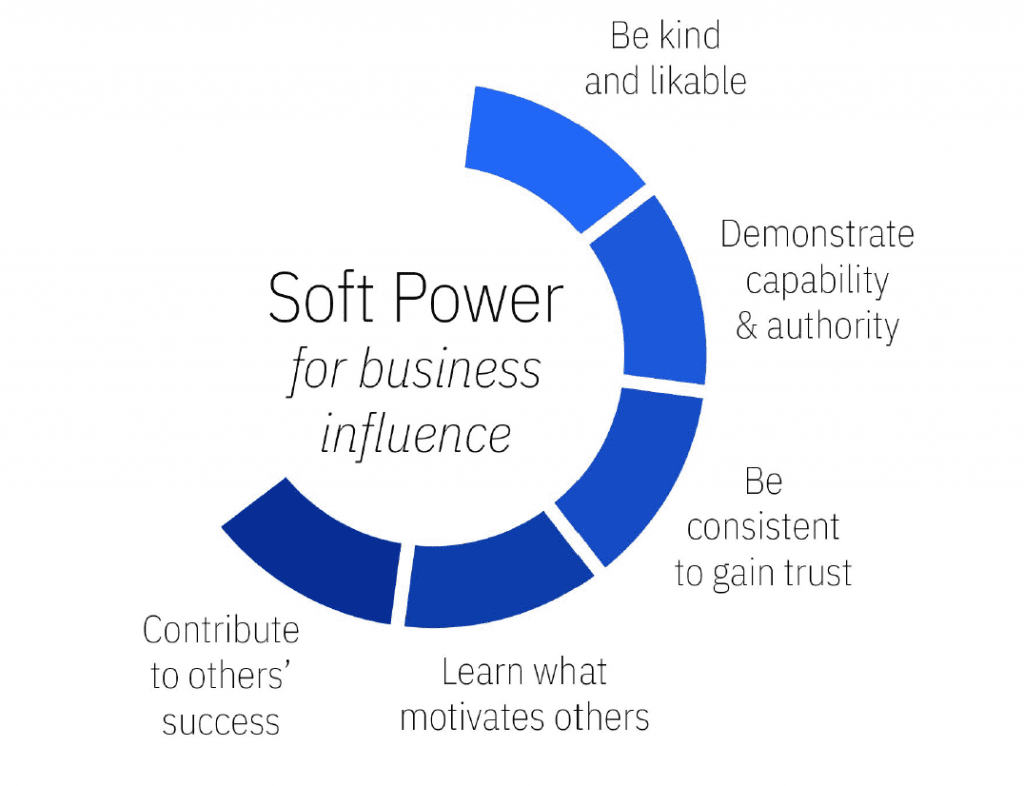
Soft power — the ability to get what you want through attraction rather than coercion — is one of the most cited and least understood concepts in foreign policy. Governments treat it as a lever they can pull, funding broadcasters and cultural institutes as if influence could be purchased wholesale. But attraction is stubborn: it is generated by what a country is, far more than by what it says about itself.
The concept has suffered from its own popularity. Stretched to cover everything from film exports to summit hospitality, it has come to mean any influence that is not overtly military — a definition so broad it explains nothing. Recovering its usefulness means being precise about where attraction actually comes from, and about the narrow set of outcomes it can genuinely deliver. Precision matters here because the concept's vagueness is not harmless: it lets governments claim credit for influence they did not earn and pursue it through means that reliably destroy it.
You cannot buy credibility
The sources of soft power — a society's openness, the appeal of its culture, the perceived legitimacy of its conduct — are largely outside the direct control of any ministry. A state whose actions contradict its message finds that no amount of promotion closes the gap. Persuasion collapses the moment it is caught performing.
This is why soft power resists the instrumental logic officials want to apply to it. It is a by-product of coherence between values and behaviour, not a campaign that can be commissioned and measured by quarter.
The propaganda trap
The surest way to squander attraction is to try to manufacture it. Audiences are adept at distinguishing a genuine account of a society from a flattering one, and the effort to control the message often broadcasts the insecurity it was meant to hide. State-directed persuasion that ignores this tends to convince only those already convinced.
Openness is the paradox at the centre of soft power: a country gains the most influence precisely when it relinquishes control over its own image, allowing its culture, its critics and its citizens to speak for it. What looks like a loss of message discipline is the source of the credibility that discipline can never buy.
The complement, not the substitute
Attraction shapes the environment in which harder instruments operate. It makes alliances easier to build, coercion less necessary, and the exercise of power more durable because it is more widely accepted. But it deters no invasion and closes no deal on its own.
The error runs in both directions: dismissing soft power as decoration, or inflating it into a self-sufficient strategy. It is neither. It is the connective tissue that makes the rest of statecraft cohere.
The contest of narratives
Soft power increasingly plays out as a competition of stories about how the world works and which model of governance delivers. Rival powers now invest heavily in shaping that conversation — through media, education, and the framing of what counts as success — because the state whose story is believed sets the terms on which others judge everything else.
The defence against a hostile narrative is rarely a louder counter-narrative; it is a record that speaks for itself. Persuasion built on demonstrable performance outlasts persuasion built on messaging, which is why the most enduring soft power still flows from results a country can point to rather than claims it must keep repeating.
The most attractive states are rarely the ones trying hardest to be. Soft power is earned in the practice of governing well and kept only so long as the practice continues — which is the humbling part, for it means a reputation built over generations can be spent in a single season of governing badly.
Rafael Ortiz
Contributing writer on trade, energy and the political economy of statecraft.