
Africa's Nonalignment, Version Two
A new generation of African states is reviving an old instinct — refusing to be anyone's theatre — and updating it for a multipolar economy.
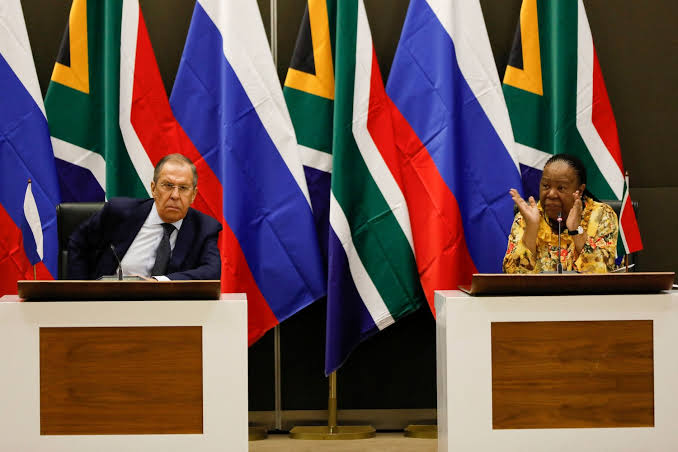
The language of nonalignment carries the dust of the twentieth century, but the instinct behind it has rarely been more relevant. Across the African continent, governments are declining to enlist in anyone's bloc, courting investment and partnership from every direction, and insisting that their alignment is not for sale. This is not a nostalgia for the old movement; it is a hard-headed reading of present leverage.
Demography and resources give the posture its weight. A continent with the world's youngest population and a decisive share of the minerals the energy transition depends on is not a supplicant; it is a supplier that the major powers cannot afford to alienate. That structural position is what converts the old rhetoric of nonalignment into present-day bargaining power. The continent is no longer negotiating for aid but for terms, and the distinction marks a genuine shift in the balance between those who need its resources and those who hold them.
Suitors, not patrons
Where an earlier era offered African states a choice between two camps, the current one offers a marketplace. Established and rising powers alike compete for access to markets, minerals and diplomatic support at the United Nations, and that competition is itself a resource for governments skilled enough to use it.
The posture is transactional by design. A state that commits exclusively forfeits the bidding war; a state that keeps its options open collects better terms from all sides. The refusal to choose is the strategy.
From raw materials to added value
The sharpest edge of the new assertiveness is economic. For a century the continent exported raw commodities and imported finished goods, capturing a sliver of the value in between. A growing number of governments are now insisting that extraction come with processing, technology transfer and local industry — that the minerals be refined where they are mined.
This is a harder bargain to strike than a simple sale, and outside powers resist it, but it is the difference between renting out a resource and building an economy on it. Nonalignment gives African states the leverage to hold out for the better deal, because there is always another suitor prepared to offer more.
The risk of being a theatre
The danger is that competition among outside powers hardens into rivalry conducted on African soil, with local actors reduced to proxies. The continent's diplomats are acutely aware of this history and increasingly assertive in resisting it — pressing for a real voice in global institutions rather than a walk-on part in someone else's contest.
Regional integration and a stronger collective bargaining position are the long-term answers. A continent that negotiates as a bloc converts individual vulnerability into aggregate weight.
The debt question hangs over everything
The leverage of nonalignment is real but not unlimited, and nothing constrains it faster than debt. A state that owes its development finance to a single creditor discovers that its diplomatic options narrow in proportion to what it owes. The terms on which capital arrives can matter more to a country's freedom of manoeuvre than any formal alliance.
This is why the sharpest African diplomacy now focuses on the structure of financing as much as its volume — pressing for transparency, for restructuring when burdens become unsustainable, and for a genuine plurality of lenders. Optionality in the marketplace of partners means little if the balance sheet has already made the choice.
Nonalignment, version two, is not passivity. It is the deliberate cultivation of optionality by states that have learned, from experience, the cost of becoming someone else's battlefield — and who intend, this time, to set the terms of their own engagement with the world.
Amara Okoye
Regional analyst covering Africa, the Gulf and South–South diplomacy.